Subfloor Water Damage in Lebanon: Detection and Repair
Most homeowners in Lebanon never think about the subfloor until something feels wrong underfoot. A soft spot near the dishwasher. A faint musty smell that lingers no matter how often you mop. A cupping plank in the hallway that was flat last spring. By the time those signs show up, the layer of plywood or OSB sitting between your finished floor and the joists has usually been wet for weeks, sometimes months, and the damage is no longer cosmetic. It is structural.
At Lebanon Water Restoration, we have been pulling up hardwood, tile, and laminate across central Indiana since 2018, and the story under the surface is almost always worse than what the homeowner expected. Slow supply line drips, dishwasher gaskets that failed two Thanksgivings ago, refrigerator water lines, and toilet flange leaks all share the same pattern: the water hides, the subfloor swells, mold colonizes the underside, and the joists start to sag. The good news is that subfloor damage caught early is one of the more affordable water losses to repair. The bad news is that waiting another month can triple the bill. This guide walks you through how we detect it, what it costs to fix in Lebanon, and when insurance will actually pay.
Problem: You Cannot See the Subfloor, So You Miss the Damage Early
The subfloor sits between your finished floor and the joists below. Plywood, OSB, or older plank decking, usually 5/8 inch to 3/4 inch thick. When water sits on it, the material swells, delaminates, and loses load capacity. You will not see any of that from above until the finished floor starts telegraphing the rot. By then, you are often looking at six to twelve months of slow saturation.
In Lebanon homes, the most common silent sources are ice maker lines behind the fridge, dishwasher supply connections, toilet flange leaks, tub overflow gaskets, and sump pit overflow in finished basements. None of these announce themselves. They drip a teaspoon a day for a year. Older homes with cast iron drain stacks and galvanized supply lines tend to fail at the fittings, while newer construction in Lebanon often shows problems at PEX crimp connections or hastily installed shower pans. The age of the home tells us where to look first, but it never rules anything out.
Solution: Ask for a Line Item Scope Before You Sign Anything
Your written scope should list the moisture readings, the square footage being removed, the type and thickness of replacement sheathing, the fastener pattern, any joist work, the drying equipment count and duration, and whether antimicrobial treatment is included. If a contractor cannot give you that on paper, you are not getting a real repair.
Ask specifically how the new sheathing will tie into the existing decking. A proper repair lands seams on joist centers, uses construction adhesive plus ring shank nails or structural screws, and matches the thickness of the original material. Anything thinner creates a soft spot that telegraphs through tile or vinyl within a year.
Solution: Treat Mold and Moisture as One Job
We never patch a subfloor without addressing what grew underneath. That means HEPA vacuuming, antimicrobial application, and confirming dry standard with a final reading before new sheathing goes down. We also pull back enough insulation to inspect joist faces, because spores love the paper backing on fiberglass batts. Homeowners dealing with longer term saturation should also read our notes on mold after water damage so you know what to ask for.
Problem: Mold Starts in the Subfloor Before You Smell It
Subfloor cavities are dark, warm, and undisturbed. Mold colonizes wet OSB in 48 to 72 hours. By the time you notice odor, the colony has often spread to the joist sides and insulation.
Problem: Repair Costs Vary Wildly and Most Quotes Hide Things
Subfloor repair in Lebanon typically falls into one of three tiers, and the price depends almost entirely on what is on top of the subfloor, not the subfloor itself.
- Small spot repair under 25 square feet, vinyl or laminate above: usually $600 to $1,400 including drying, demo, new sheathing, and reinstallation.
- Mid size repair, 25 to 100 square feet, tile or engineered hardwood above: typically $1,800 to $4,500 because the finished floor rarely survives removal.
- Large structural repair with joist damage, mold remediation, or multiple rooms: $5,000 to $15,000 and sometimes more if sistering joists or replacing a section of decking near a load path.
Quotes that come in dramatically below these ranges usually skip the drying phase, skip mold treatment, or reuse swollen plywood. None of those shortcuts hold up.
Problem: DIY Moisture Readings Lie on Hardwood and Tile
Homeowners buy a $30 pin meter, jab it into a baseboard, get a reading of 12 percent, and assume everything is dry. The problem is that surface moisture and subfloor moisture are two different measurements. A finished hardwood plank can read perfectly normal while the plywood under it sits at 28 percent and feeds mold daily.
The same trap applies to tile floors. Porcelain and ceramic act as a vapor barrier, holding moisture in the substrate while the surface reads bone dry. We have pulled tile off slabs and mud beds in Lebanon kitchens where every surface meter said the job was finished, and found standing pockets of water beneath. Trust the tools, but only when they are aimed correctly.
Solution: Know the Five Signs That Mean the Subfloor Is Already Wet
You do not need moisture meters to suspect a problem. You need to know what to look at. Walk your house with these five checks:
- Press hard with your heel near every plumbing fixture. Any give, bounce, or sponginess means saturated subfloor underneath.
- Look at hardwood seams. Cupping (edges raised higher than centers) means moisture is coming from below.
- Check tile grout lines for hairline cracks that follow a straight path. That usually means the subfloor is flexing.
- Smell the room. A musty note that returns after cleaning means trapped moisture in the cavity.
- Inspect the ceiling directly below upstairs bathrooms and kitchens for any staining, no matter how faint.
If two or more of these show up, call for an inspection. We pair this with the steps in our guide to detecting hidden leaks behind walls because the source is rarely where the stain appears.
When to Call Lebanon Water Restoration
If your floor feels soft, smells musty, or looks like it is moving when it should not, do not wait for the next utility bill to confirm what you already suspect. Lebanon Water Restoration is IICRC certified, BBB A+ rated, and built on a simple promise: if we cannot help, we will tell you directly. Call us for a same day moisture inspection in Lebanon, and we will give you a straight answer on what your subfloor needs, what it will cost, and how to handle the insurance side without guesswork.
Solution: How Lebanon Water Restoration Actually Maps Subfloor Damage in Lebanon
When our crew arrives, we do not start tearing flooring. We map first. Thermal imaging shows temperature differentials where moisture is trapped. Non invasive capacitance meters read through finished surfaces to a depth of about three quarters of an inch. Pin meters get pushed through grout lines or seams to confirm the actual subfloor reading. Only after we have a moisture map do we discuss whether the floor comes up.
That mapping is also what your insurance adjuster needs. Documented readings, photos, and a clear scope are the difference between a covered claim and a denied one. We walk every Lebanon client through that documentation before any demolition starts, similar to the approach we outline for emergency water mitigation work.
Frequently Asked Questions
How do I know if my subfloor is damaged or just my finished floor?
Press firmly on suspect areas. If the floor flexes, sounds hollow, or feels softer than surrounding spots, the subfloor is likely affected. A Lebanon Water Restoration technician in Lebanon can confirm with a pin moisture meter in about 15 minutes during a free assessment.
Will homeowners insurance in Lebanon cover subfloor repair?
Sudden and accidental water losses like burst pipes or appliance failures are usually covered. Gradual leaks, seepage over time, and maintenance-related damage typically are not. Lebanon Water Restoration documents the loss with photos and moisture logs to support your claim.
Can subfloor be dried in place or does it always need replacement?
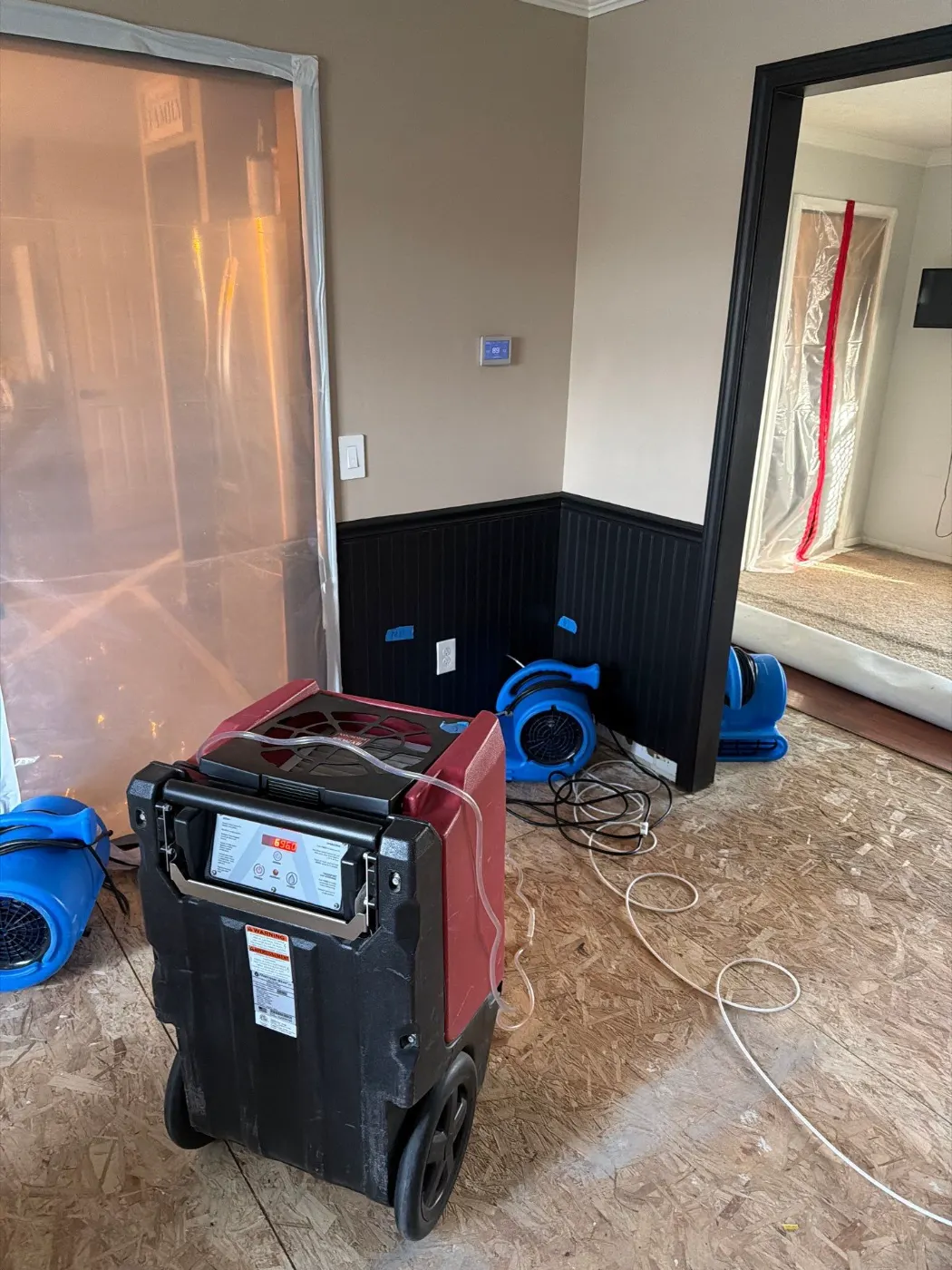
Category 1 clean water caught within 24 to 48 hours can often be dried in place using air movers and dehumidifiers. Category 2 and 3 water, or any saturation longer than several days, usually requires removal under IICRC S500 guidelines.
How long does subfloor repair take?
A small partial repair runs 2 to 4 days including drying time. Larger jobs with joist work and finished floor replacement can take 1 to 3 weeks. Lebanon Water Restoration provides a written timeline in Lebanon before work starts so you can plan accordingly.
What happens if I ignore subfloor damage?
Mold typically appears within 48 to 72 hours of saturation and becomes established within 60 to 90 days. Structural failure, floor collapse in extreme cases, and significantly higher repair costs follow. Insurance may also deny later claims tied to known but unaddressed damage.
Have a restoration question?
Our IICRC certified Lebanon crew is ready to help. Free assessments, estimate based on what we can sees, no pressure.